
Pipeline
ALE1 (OC-1)

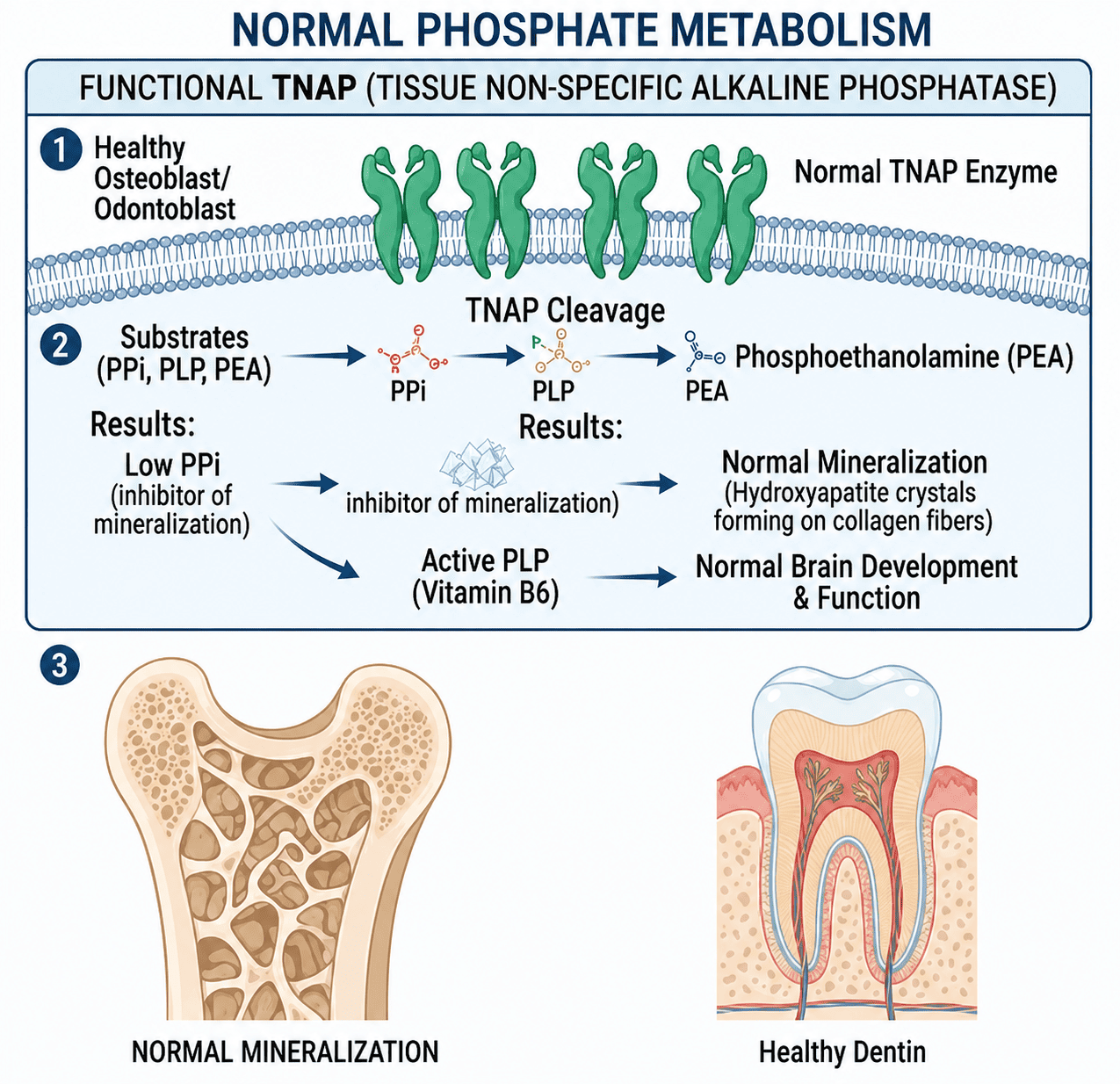
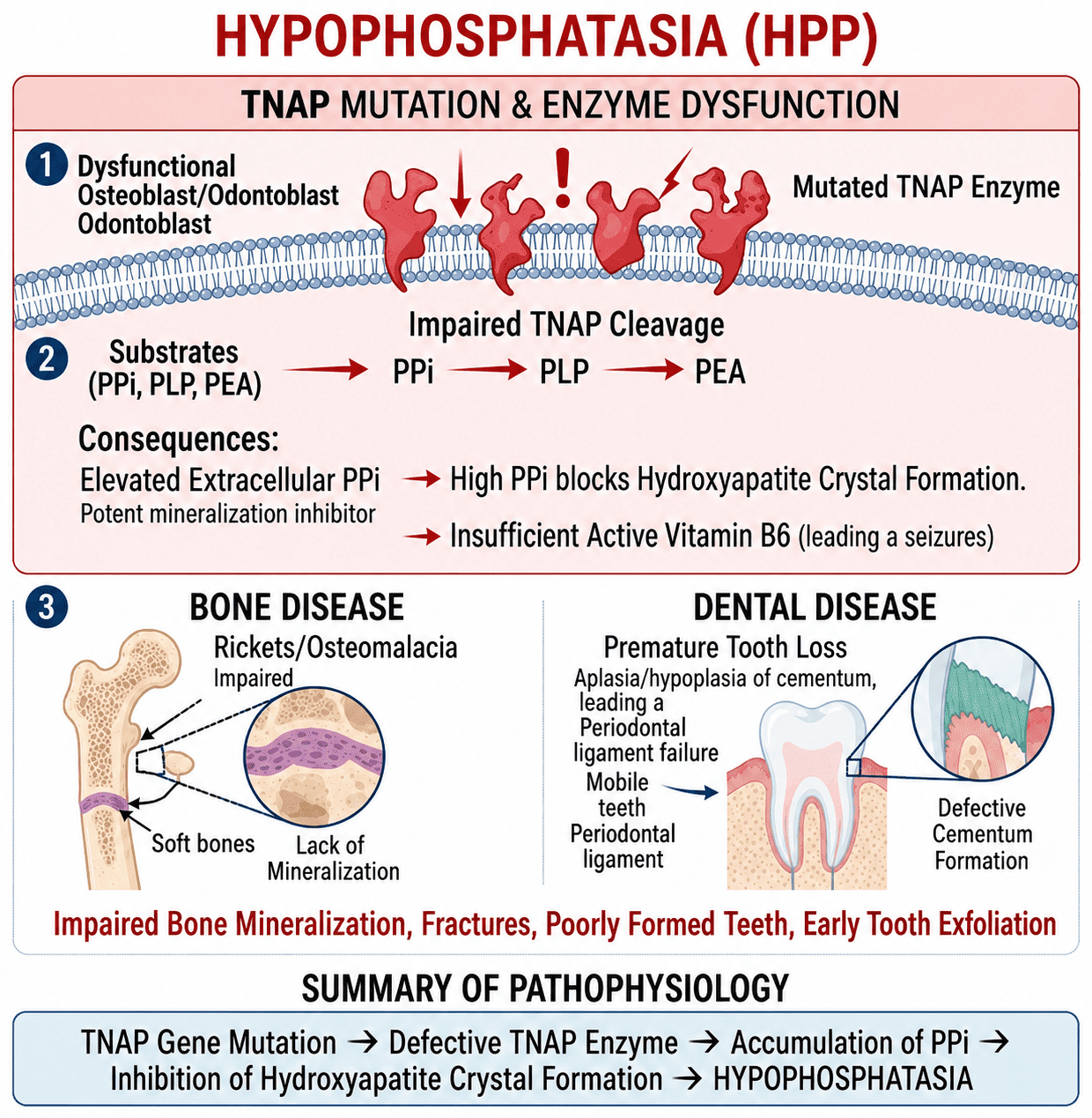
ALE1 (OC-1) is a potential first oral therapy for hypophosphatasia. 1cBio entered into a worldwide licensing agreement with Alesta Therapeutics for the development and commercialization of ALE1 in January 2025. BioMarin gained ALE1 through its acquisition of Alesta Therapeutics in September 2026.
INDICATION(S)
DISCOVERY
PRECLINICAL
IND-ENABLING
PHASE 1
PHASE 2
PHASE 3
Hypophosphatasia
OC-3


OC-3 is a potential best-in-class, next generation PARP1-selective inhibitor that aims to maximize efficacy and avoid significant hematologic toxicities exhibited by non-selective PARP inhibitors. 1cBio and Lee’s Pharmaceutical (HK), Ltd. recently entered a regional partnership to advance OC-3 into clinical development in China. 1cBio intends to file a US IND in 2027 and is seeking to expand its partnerships to support the global development of OC-3.
INDICATION(S)
DISCOVERY
PRECLINICAL
IND-ENABLING
PHASE 1
PHASE 2
PHASE 3
Ovarian cancer
Prostate cancer
Breast cancer
Undisclosed Targets

INDICATION(S)
DISCOVERY
PRECLINICAL
IND-ENABLING
PHASE 1
PHASE 2
PHASE 3
Lung cancer
Myeloproliferative disease
Hypophosphatasia
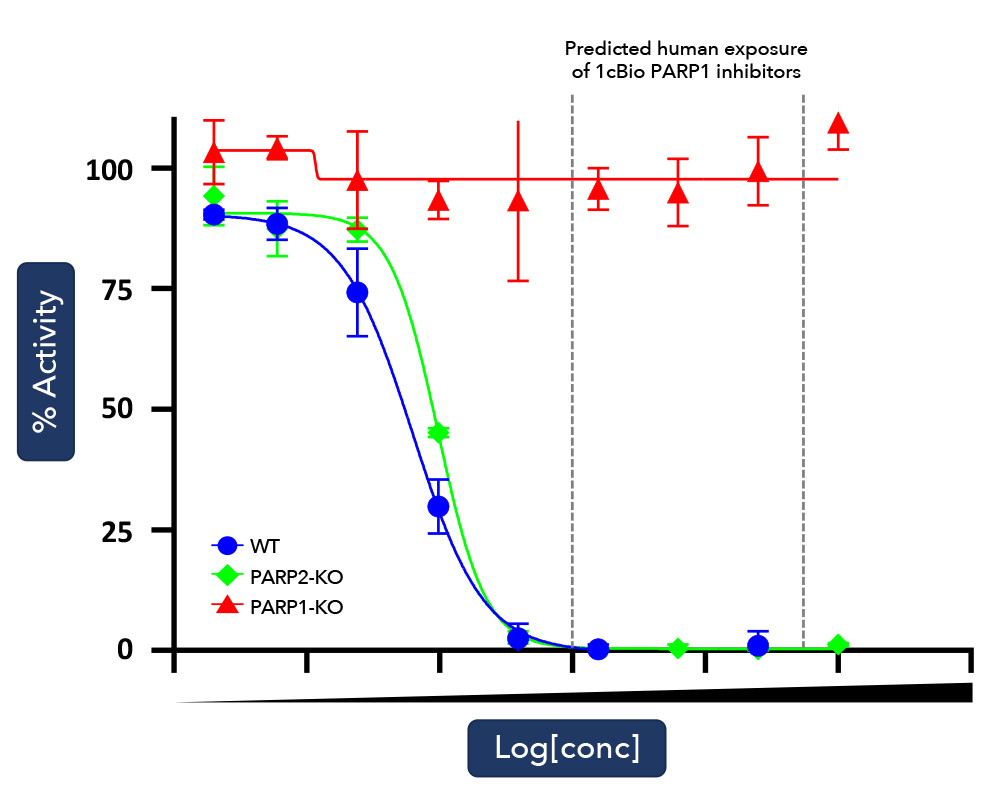
Cellular PARylation activity of 1cBio’s selective PARP1 inhibitors
- PARP1 inhibitors can be effective oncology agents, but bone marrow toxicities limit their use
- They can be used as single agents or in combination with some drugs (e.g., TALZENNA® + XTANDI® for prostate cancer) but not others (e.g., platinum-based chemotherapy for ovarian cancer)
- PARP inhibitors with reduced bone marrow toxicities have the potential to be used as single agents and in combination with other complementary therapies
- Preclinical studies studies indicate that PARP2 inhibition promotes bone marrow toxicities, suggesting agents having selectivity for PARP1 at relevant therapeutic concentrations would be safer to use
